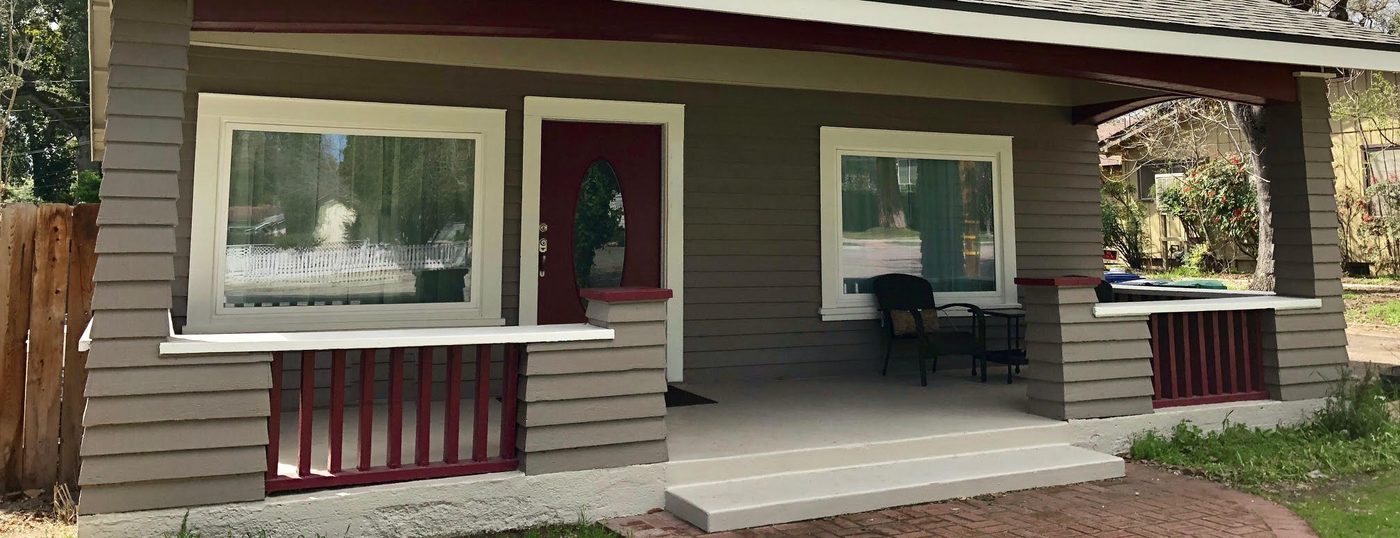
Selling a Home in Paso Robles
Preparation, pricing, marketing, disclosure and closing — and where Paso Robles properties differ from the standard script.
Selling a home in Paso Robles involves the same sequence as elsewhere in California — prepare, price, market, negotiate, disclose, close — with local variation in what buyers ask about and what needs to be documented. Rural properties in particular attract a longer list of questions, and sellers who anticipate them tend to have smoother escrows.
Preparing the property
Preparation is about removing friction and unanswered questions, not about renovation. The highest-value work is usually the least glamorous: repairs that would otherwise appear on an inspection report, deferred maintenance, decluttering, deep cleaning, and landscaping that reads as maintained.
On rural property, add to that list: clearing defensible space, confirming the well and septic are in working order, making sure gates, fencing and the access road are passable, and gathering documentation for outbuildings.
Gathering paperwork before listing is one of the few genuinely reliable ways to shorten escrow. Useful items include permit records for past work, well records and any water testing, septic pumping and inspection records, roof or system warranties, HOA documents, road maintenance agreements, and any recorded agreements affecting the property.
Pricing
Pricing is an evidence exercise: recent comparable sales, current competing inventory, and the property’s specific condition and characteristics.
Paso Robles complicates this in one particular way. For a home in an established subdivision, comparable sales are usually plentiful and the analysis is fairly direct. For acreage, rural, equestrian, estate or vineyard property, genuinely comparable sales may be few, older, or geographically scattered — and adjusting between them requires judgment about how the market values land, views, water, improvements and agricultural potential.
No pricing method guarantees an outcome. Market conditions change, and a pricing opinion is an opinion.
Presentation and marketing
Presentation should match the property. Professional photography is a baseline expectation. Properties with land or views often benefit from aerial imagery that makes the parcel legible; homes benefit from accurate floor plans; larger or unusual properties benefit from a clear written description of what is actually included — acreage, water source, outbuildings, planted acres, permitted uses.
Marketing includes MLS distribution and its syndication to consumer sites, signage, digital advertising and direct outreach to agents with relevant buyers. Accuracy matters more than volume: a listing that overstates what a property offers costs credibility during the inspection period.
Inspections
Buyers will inspect. Some sellers choose to obtain a pre-listing inspection so that issues are known and priced in from the start rather than negotiated later. It is a trade-off — anything discovered generally becomes a known material fact that must be disclosed — and it is worth discussing before ordering one.
Offers and negotiation
Price is one term among several. Financing type and strength, the size of the deposit, the length and scope of contingencies, the proposed closing date, requested credits and any leaseback or possession terms all affect how good an offer actually is.
Negotiation continues after acceptance. Requests for repairs or credits following the buyer’s inspections are a normal part of a California transaction, and the strength of a seller’s position at that stage depends heavily on how well the property was prepared and disclosed at the outset.
Disclosures
California imposes substantial disclosure obligations on residential sellers. In general terms, sellers are required to disclose known material facts affecting the value or desirability of the property, and to complete the statutory disclosure forms applicable to the transaction. Natural hazard disclosure reports are commonly obtained through a third-party provider.
The practical guidance is simple and consistent: disclose what you know, in writing, early. Incomplete disclosure is one of the most common sources of post-closing dispute. The specific forms and requirements that apply to a given transaction should be reviewed with your broker and, where appropriate, an attorney.
Escrow and closing
Once contingencies are removed, escrow moves toward closing: loan funding, final documents, signing, and recording at the county. Sellers typically coordinate the payoff of existing loans, resolution of any liens, final utility readings and possession arrangements.
No guarantees
Nothing on this page guarantees a sale price, a timeline or an outcome. Market conditions vary and each property is different. This is general educational information, not legal or tax advice; consult qualified professionals about your specific circumstances.
Published August 23, 2026 · Last reviewed August 23, 2026